


Views: 0 Author: Site Editor Publish Time: 2025-10-07 Origin: Site


In the realm of wood veneer production, the choice between automatic and manual veneer peeling machines is pivotal. These machines are integral to the wood veneer production line, influencing efficiency, quality, and cost. As technology advances, manufacturers face the dilemma of choosing between traditional manual machines and modern automatic systems. This article delves into the pros and cons of each type, providing insights into their operational dynamics, cost implications, and suitability for various production scales.
Veneer peeling machines are designed to convert logs into thin sheets of wood veneer. These machines are crucial in plywood manufacturing, where the quality of veneer directly impacts the final product. There are two primary types: manual and automatic veneer peeling machines. Each has its own set of features, benefits, and drawbacks, making the choice dependent on specific production needs and resources.
Manual veneer peeling machines have been a staple in the industry for decades. They require skilled operators to manage the peeling process, ensuring that the veneer is of consistent thickness and quality. These machines are typically less expensive than their automatic counterparts, making them accessible for smaller operations or those with limited budgets. However, the reliance on human labor can lead to inconsistencies in veneer quality and increased labor costs over time.
Automatic veneer peeling machines represent the cutting edge of veneer production technology. They are equipped with advanced features such as computerized controls and sensors that ensure precision and consistency in veneer thickness. These machines can operate at higher speeds, significantly increasing production capacity. While the initial investment is higher, the reduction in labor costs and increase in production efficiency often justify the expense for larger operations.
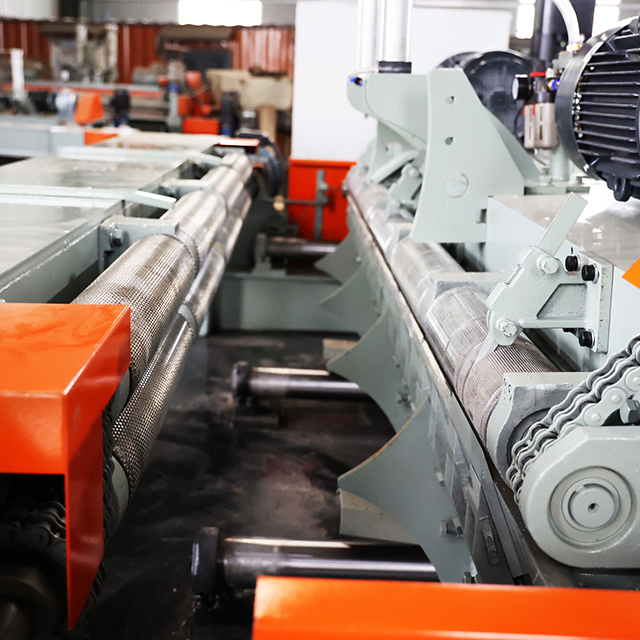
Manual veneer peeling machines offer several advantages, particularly for small to medium-sized enterprises. They are cost-effective, with lower initial investment requirements. The simplicity of their design means they are easier to maintain and repair, reducing downtime. However, the reliance on skilled labor can be a double-edged sword. While experienced operators can produce high-quality veneer, the potential for human error can lead to inconsistencies. Additionally, the slower production speed may not meet the demands of larger-scale operations.
Automatic veneer peeling machines offer significant advantages in terms of efficiency and consistency. Their ability to operate continuously at high speeds makes them ideal for large-scale production. The precision of automatic systems ensures uniform veneer thickness, enhancing the quality of the final product. However, the high initial cost can be a barrier for smaller businesses. Additionally, these machines require skilled technicians for maintenance and troubleshooting, which can add to operational costs.
When considering the cost implications of veneer peeling machines, it's essential to look beyond the initial purchase price. Manual machines may be cheaper upfront, but the ongoing costs of skilled labor and potential downtime due to maintenance can add up. In contrast, automatic machines, while more expensive initially, often lead to lower long-term costs due to reduced labor requirements and higher production efficiency. For those interested in expanding their operations, investing in automatic veneer peeling machines may be a wise decision.
The choice between manual and automatic veneer peeling machines often depends on the scale of production. Small-scale operations may benefit from the lower costs and simplicity of manual machines. These businesses can focus on niche markets where quality and craftsmanship are more valued than volume. On the other hand, large-scale manufacturers aiming for high-volume production and consistent quality will find automatic machines more suitable. The ability to produce large quantities of uniform veneer quickly can significantly enhance competitiveness in the market.
Recent technological advancements have further blurred the lines between manual and automatic veneer peeling machines. Innovations such as high-speed spindle-less veneer peeling machines have emerged, offering a compromise between the two. These machines combine the cost-effectiveness of manual systems with the efficiency of automatic ones, providing a viable option for medium-sized enterprises. As technology continues to evolve, the gap between manual and automatic machines is expected to narrow, offering more options for manufacturers.
In today's environmentally conscious market, the sustainability of veneer production processes is a critical consideration. Automatic veneer peeling machines, with their precision and efficiency, tend to produce less waste compared to manual machines. The ability to optimize the use of raw materials not only reduces costs but also minimizes the environmental impact. Additionally, many modern machines are designed with energy-saving features, further enhancing their eco-friendliness. For manufacturers committed to green production, investing in advanced veneer peeling technology is a step in the right direction.
The decision between manual and automatic veneer peeling machines is multifaceted, involving considerations of cost, efficiency, scale, and environmental impact. While manual machines offer affordability and simplicity, automatic machines provide unmatched efficiency and consistency. As the industry continues to evolve, manufacturers must weigh these factors carefully to choose the best solution for their specific needs. For those looking to enhance their production capabilities, exploring the latest advancements in veneer peeling technology is essential.
1. What are the main differences between manual and automatic veneer peeling machines?
Manual machines require skilled labor and are less expensive, while automatic machines offer higher efficiency and consistency but come with a higher initial cost.
2. How do automatic veneer peeling machines enhance production efficiency?
They operate at higher speeds and ensure consistent veneer thickness, reducing labor costs and increasing production capacity.
3. Are there any environmental benefits to using automatic veneer peeling machines?
Yes, they produce less waste and often include energy-saving features, making them more eco-friendly.
4. What factors should be considered when choosing between manual and automatic machines?
Consider cost, production scale, efficiency, and environmental impact.
5. Can small businesses benefit from automatic veneer peeling machines?
While the initial cost is higher, the long-term savings in labor and increased efficiency can benefit small businesses aiming to scale up.
6. What advancements have been made in veneer peeling technology?
High-speed spindle-less machines offer a balance between cost and efficiency, suitable for medium-sized enterprises.
7. How does veneer quality impact the final plywood product?
Consistent veneer thickness and quality are crucial for the structural integrity and appearance of plywood.


