


Views: 0 Author: Site Editor Publish Time: 2025-10-21 Origin: Site


A wood veneer peeling machine helps you turn logs into thin, smooth sheets of wood. You load the log, and the machine rotates it while a sharp knife peels off layers. Rollers guide the sheet out. Automation lets you control speed, thickness, and accuracy. Sensors check for problems and keep the process safe. You get consistent results with high efficiency and precision.
A wood veneer peeling machine changes logs into thin wood sheets. It does this by peeling the logs in a careful way.
Logs need to be prepared well. This means taking off the bark and soaking them. Good preparation helps make smooth and even veneer sheets.
Machines use automation to make peeling faster. This keeps the thickness the same and lowers the need for workers.
You pick spindle or spindleless machines based on log size. The choice also depends on the veneer quality you want.
Machines need regular care and safety checks. This helps the machine work well and keeps workers safe.
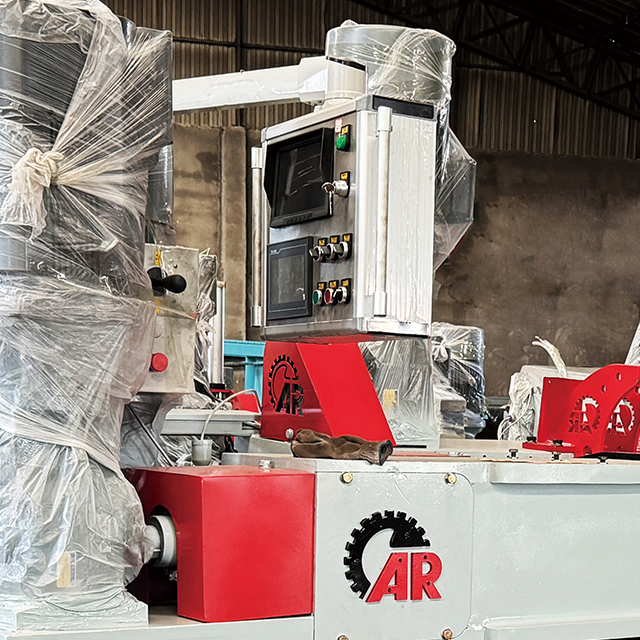
The wood veneer peeling machine works in a few main steps. Each step is important for making good veneer sheets. Here is a simple list:
Log Preparation and Loading: You check each log, cut it to the right size, and put it in the machine.
Rotation and Peeling: The machine turns the log. A sharp knife peels off thin sheets.
Veneer Sheet Collection: You use rollers or conveyors to collect the sheets. This keeps them smooth and safe.
Quality Control and Adjustments: You watch the sheets and change settings to keep them good.
Post-Peeling Processes: You dry and trim the sheets so they meet the needed size.
Tip: Doing each step carefully helps you get the best veneer sheets from your wood veneer peeling machine.
You must get the logs ready before peeling. First, you take off the bark and make the wood fibers soft. You use a debarking machine to remove the bark. This stops damage and helps the sheets stay even. Next, you soak or steam the logs with high heat. This makes the wood fibers softer and easier to peel. Sometimes, you cut the logs in half and put them in hot water or steam. These steps help you get smooth and even veneer sheets.
Debarking takes off bark for a clean log.
Soaking or steaming makes the wood fibers soft.
Cutting logs in half helps the process go better.
You need to center and hold the log tight before peeling. Good centering helps you get even sheets and use more of the log. Many machines use smart block centering, autocalibration, and scanning technology. These tools help you put the log in the best spot. When you hold the log tight, it does not move. This keeps the peeling steady. Good centering and holding make the sheets even and the same thickness.
Feature | Description |
|---|---|
Intelligent Block Centering | Helps make more veneer by putting the log in the best spot. |
Autocalibration | Checks and fixes the centering for every log. |
Advanced Scanning Technology | Uses lasers and computers to find the best place for the log. |
Note: Centering and holding the log tight is very important for making good veneer sheets.
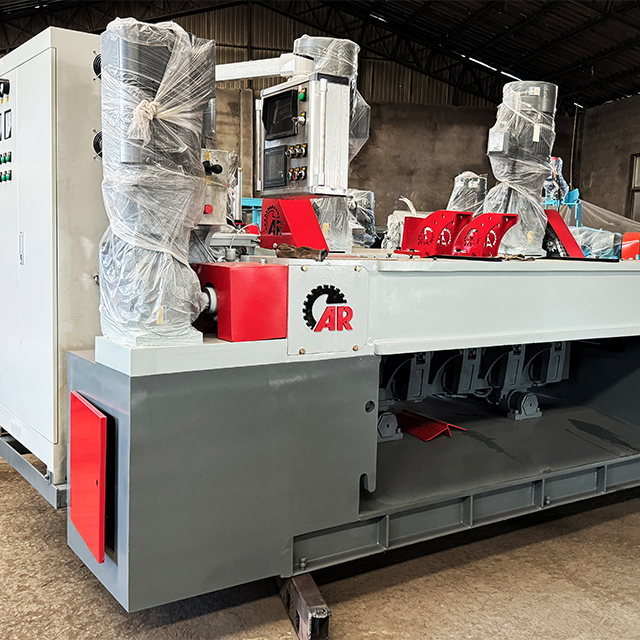
You begin by using the log loader and feeder. This part helps move logs into place fast and safely. Our machines at Linyi Zhonghe Import and Export Co., Ltd. have automatic loading. You do not need to handle logs by hand as much. The two-stage buffer gives you more storage space. You can keep working without stopping. The ladder loading feature makes your work easier and saves energy.
Feature | Contribution to Efficiency |
|---|---|
Fully automatic loading | Cuts down on manual work, making things run smoothly. |
Two-stage buffer | Gives lots of storage, so you can keep going. |
Ladder loading feature | Makes work faster and easier for everyone. |
Tip: Automatic loaders help you work faster and keep your area safe.
You can pick spindle or spindleless systems for your needs. Spindle machines use clamps to hold big logs. Spindleless machines use squeeze rollers for smaller logs. Our spindleless machines work very fast, up to 60 meters per minute. You get a better surface finish and use less power. You also do not need much maintenance. One person can run the machine.
Feature | Spindle Peeling Machine | Spindle-less Peeling Machine |
|---|---|---|
Clamping Mechanism | Uses two clamps to hold wood | No clamps, uses three squeeze rollers |
Target Wood Diameter | 10cm – 140cm | 3cm – 40cm |
Processing Method | Rotates wood using clamps | Rotates timber with squeeze rollers |
Speed | Slower than spindle-less | Up to 60 meters/minute, much faster |
Surface Finish | Regular surface finish | Smoother surface, less damage |
Automation Level | Not as automated | Fully automated, little manual work |
Power Consumption | Uses more energy | Uses less energy |
Maintenance Needs | Needs more fixing | Needs little fixing |
Operator Requirement | May need more workers | One person can run it |
You get better speed and efficiency.
You use a gentle grip for smoother sheets.
You can change log sizes quickly.
The peeling knife and rollers are very important for good veneer sheets. You use a sharp steel knife to cut thin layers from the log. The rollers help guide the sheet out smoothly. Our machines let you change the knife for different thicknesses. You get even sheets every time. You keep the blade sharp to stop rough spots. You control thickness within ±0.02mm for great results.
Benefit | Description |
|---|---|
Thickness Consistency | Makes sure veneer sheets are always the same thickness. |
Surface Quality | Gives a smooth surface without marks or damage. |
Reduced Cutting Effort | Special designs use less power and need fewer knife changes. |
Note: Keeping the knife sharp helps you get smooth and even veneer sheets.
You can trust our wood veneer peeling machine to make precise, high-quality veneer sheets every time.
First, you put the log on the machine. The log loader moves it into place. Automatic systems help center the log. This makes the veneer sheets even. Smart sensors check the log’s position. They adjust it if needed. You hold the log tight so it stays still. Good centering helps you use more wood. It also makes the sheets better.
Tip: Only trained people should use the machine. Check all safety devices before you start. Never touch moving parts when the machine is on. Always wear the right safety clothes.
Safety Checklist:
Only trained people should run the machine.
Do not fix the machine while it is working.
Use tools to clean wood scraps, not your hands.
Turn off the machine and power if there is an emergency.
You start peeling after the log is secure. The machine spins the log at a steady speed. A sharp knife cuts thin sheets from the log. Rollers help guide the sheets out. You can change the knife to make sheets thicker or thinner. The control system keeps the thickness the same.
Component | Function |
|---|---|
Rotating Elements | Spin the log and help peel it into veneer sheets. |
Cutting Tools | Cut the wood into thin sheets with accuracy. |
Linear Guides | Keep the cutting steady and correct. |
Knife Holder | Hold the knife for smooth cutting. |
Wood Lathe CNC | Move the log for exact peeling and changes. |
You watch and listen while the machine works. If you hear strange sounds, stop the machine right away. Do not touch the machine when adding oil. Always use tools for cleaning and fixing.
Logs go into the machine, often on a slope.
Rollers with cutting heads touch the log’s surface.
Friction between logs helps take off bark and get ready for peeling.
You collect the veneer sheets after peeling. The machine uses a vacuum belt to lift sheets onto a conveyor. This keeps the sheets flat and stops damage. You sort sheets by how wet they are before drying. Sorting saves energy and makes sheets better. You can put sheets into groups by moisture for better drying.
Method | Description |
|---|---|
Vacuum Belt Stacking | Uses suction to gently lift sheets onto a conveyor, making less noise and dust. |
Sorting by Moisture | Puts sheets in groups by moisture to help drying and quality. |
Flexible Structure | Changes to fit different stacking needs, making work safer and faster. |
You stack sheets carefully so they do not bend or break. Good lights help you see problems and sort sheets fast. Stop the machine if you see any trouble.
Note: Tell everyone before you fix or clean the machine. Turn off the power before cleaning. Use the wood veneer peeling machine only for its real job.
Automation makes your wood veneer peeling machine work better. You use smart systems to control each step. The machine feeds logs, adjusts blades, and stacks sheets by itself. You do not have to do these jobs by hand. This saves you time and keeps things steady.
You can see how automation helps in this table:
Feature | Description |
|---|---|
Automation Technology | PLCs, servo motors, and monitors make work more exact. |
Consistent Thickness | Veneer stays close to the same thickness for good quality. |
High-Speed Production | Machines can go up to 150 meters per minute. |
Reduced Manual Work | Fewer workers are needed because machines do more. |
Feedback Control | PLCs move cutters fast and keep them accurate. |
You get nonstop production with automation. Each step connects, so you do not need to stop. Fast peeling lets you reach speeds of 60 to 100 meters per minute. Nanometer-level control keeps veneer thickness very close to the target. Spindle machines give you high precision and are good for big logs. Spindleless machines let you change log sizes easily. You must get logs ready and keep machines clean for even sheets.
Tip: Automation lets you use almost all of each log. You waste less wood and can use leftovers for energy or other things.
Modern machines help keep you safe and let you watch your work. You use sensors and panels to check every part. Machines from Linyi Zhonghe Import and Export Co., Ltd. follow safety rules. The 8ft spindleless veneer peeling machine does not use a spindle, so accidents are less likely. You work in a safer place.
Here is a table with important safety features:
Feature | Description |
|---|---|
Enhanced Safety | Spindleless design lowers risk and keeps you safe. |
Compliance with Industry Standards | Machines follow safety rules and protect workers. |
You get alarms and emergency stop buttons. These help you act fast if something goes wrong. You use lights and screens to see how the machine is working. You sort and stack sheets with less dust and noise. You keep your area clean and safe.
Note: Always check safety tools before you start. Good safety and monitoring help protect you and make better veneer sheets.
You can pick spindle or spindleless wood veneer peeling machines. Each kind works best for different jobs in plywood making. The table below shows how they are different:
Type of Machine | Characteristics |
|---|---|
Spindle Veneer Peeling Machine | Very stable and precise. Best for big logs and top-quality veneer. |
Spindleless Veneer Peeling Machine | Good for small logs. Not as exact, but fine for medium-quality veneer. |
Spindle machines are very steady. You use them for big logs and want the best sheets. These machines often have CNC controls. You can set the size you need. This means you get even sheets and waste less wood. You make strong, smooth veneer with tight thickness.
Spindleless machines work with smaller logs. You can change them fast for different wood types. These machines use computer controls. You get good accuracy and easy use. You can switch wood types quickly, so you work faster. Spindleless machines help you keep up with changes in your work.
Tip: Use a spindle machine for top veneer from big logs. Use a spindleless machine for speed and easy changes with small logs.
Wood veneer peeling machines help in many steps of making plywood. These machines turn logs into thin sheets. You need these sheets to make plywood and other wood panels. The table below shows the main uses:
Application | Description |
|---|---|
Producing wood veneer | You make wood veneer, which is needed for plywood. |
Making plywood | You use veneer sheets to build plywood and panel boards. |
Processing timber | You cut logs to the right size for making veneer. |
You start by cutting logs to the right length and size. Then, you use the peeling machine to make thin sheets. These sheets are the layers in plywood. The quality of your veneer affects how strong and nice your plywood looks. Machines that keep the peeling angle and thickness steady help you get strong, smooth sheets. This helps you make better plywood and keeps it reliable.
Note: Using the right machine and keeping it in good shape gives you better veneer and stronger plywood. This helps your business do well and makes your customers happy.
You use a wood veneer peeling machine to make logs into thin sheets. First, you get each log ready and put it in the center. The machine uses sharp knives and rollers to peel and cut the wood. Automation helps keep the thickness even and stops many mistakes. Good machines give you the same results every time. If you know how this works, you can save wood, spend less money, and make nice panels for projects.
If you know each step, you can stop problems like splitting or cracking. You can also pick the best machine for your work.
Feature | Benefit |
|---|---|
Spindleless design | Cuts down on wasted wood |
Rotary rollers | Makes cutting very exact |
Small logs | Lets you use more types of wood |
You need to think about log size and speed. Spindle machines are good for big logs. Spindleless machines work better for small logs and quick jobs. Linyi Zhonghe Import and Export Co., Ltd. has both types for your needs.
You should look for emergency stop buttons and safety guards. Check if sensors and alarms work well. Always follow safety rules. Linyi Zhonghe Import and Export Co., Ltd. machines have strong safety controls to keep you safe.
You use automatic blade controls and feedback systems. Sensors check thickness and change the knife if needed. Keep up with regular care. Linyi Zhonghe Import and Export Co., Ltd. machines give very exact thickness every time.
You clean blades and check rollers every day. Look at sensors and sharpen knives often. Oil moving parts to help them last. Follow the care guide from Linyi Zhonghe Import and Export Co., Ltd. for best results.
You can use many wood types in one machine. Change settings for hard or wet wood. Spindleless machines switch log sizes fast. Linyi Zhonghe Import and Export Co., Ltd. machines work with lots of wood for easy production.


