


Views: 0 Author: Site Editor Publish Time: 2025-11-04 Origin: Site


You use an electric knife sharpener by putting your knife in the slot. Turn on the machine. The sharpener does the work for you. Always read the manufacturer’s instructions before you start. Safety is very important. If you use plywood or veneer, Linyi Zhonghe Import and Export Co., Ltd. has a knife sharpener for careful, steady results. Electric knife sharpeners are easy for beginners to use. You do not need special skills. Here is a quick look at how electric and manual sharpeners are different:
Feature | Manual Knife Sharpener | Electric Knife Sharpener |
|---|---|---|
Speed | Slower | Fast, needs little effort |
Skill Needed | Practice needed | Easy for beginners |
Always read the manufacturer's instructions before you use your electric knife sharpener. This helps you stay safe and use it the right way.
Keep your workspace clean and neat. This stops accidents when you sharpen your knives.
Use gentle pressure when sharpening. Let the electric sharpener do the work. This gives the best results and does not hurt the blade.
Clean your knife and sharpener after you use them. This helps them work well and last longer.
Sharpen your knives based on how often you use them. If you use them every day, sharpen them every 2-3 weeks. If you use them sometimes, you can wait longer.
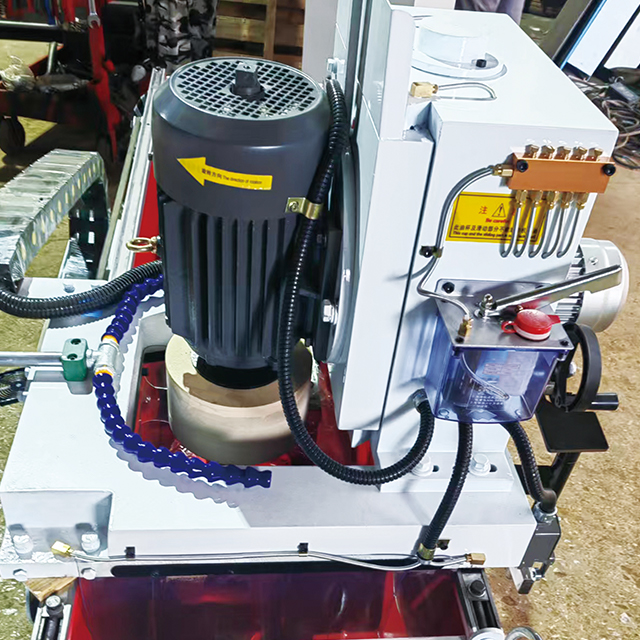
When you use an electric knife sharpener, safety comes first. You want to protect your hands and keep your workspace organized. Let’s look at some simple steps that help you stay safe.
Before you plug in your knife sharpener, take a few minutes to read the manual. The manufacturer gives you important details about how the machine works. You learn about the right way to insert your knife and how many passes you need. If you skip this step, you might damage your knife or hurt yourself. Every model is a little different, so don’t guess. Always check the instructions before you start.
Tip: If you lose the manual, visit the company’s website or contact customer service for help.
A clean and safe workspace helps you avoid accidents. You want to keep your area free of clutter and distractions. Here’s a quick table with some top safety precautions:
Safety Precaution | Description |
|---|---|
Wear Protective Gear | Use cut-resistant gloves, closed-toe shoes, and safety goggles. |
Read the Instructions | Know how your sharpener works before you use it. |
Keep Hands Clear | Never reach into the sharpener while it’s running. |
Unplug When Not in Use | Always unplug the machine after sharpening. |
You can set up your workspace on a sturdy table. Make sure you have good lighting. Keep children and pets away while you work.
Knives are sharp, even before you use the sharpener. Hold the knife by the handle and point the blade away from your body. Never rush. Move slowly and pay attention. If you need to adjust the knife, turn off the sharpener first. After sharpening, wipe the blade with a cloth and store it safely.
Note: If you drop a knife, don’t try to catch it. Step back and let it fall.
You can sharpen knives with confidence when you follow these safety tips. Linyi Zhonghe Import and Export Co., Ltd. offers reliable machines that make the process easy and safe for everyone.
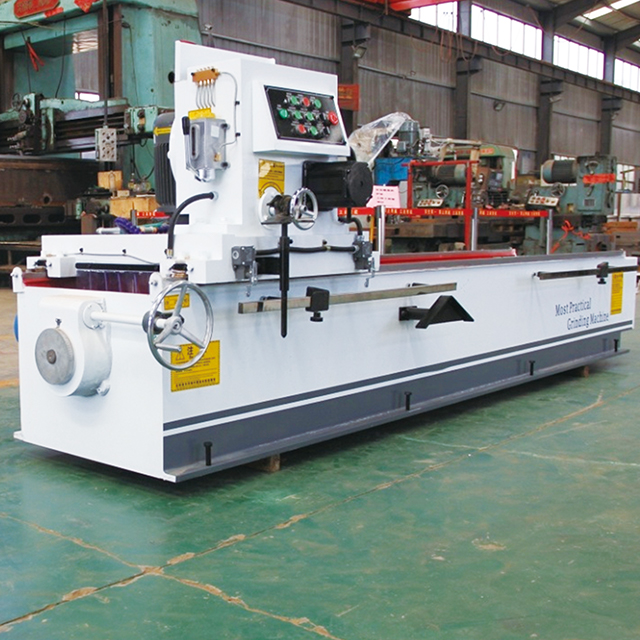
Ready to sharpen kitchen knives with confidence? You can follow these simple steps to get the best results from your electric knife sharpener. Let’s break down the process so you know exactly how to use an electric sharpener safely and effectively.
First, find a stable surface for your knife sharpener. Plug in the electric sharpener and make sure it sits flat. Check that the slots are clean and free of debris. Read the manufacturer’s instructions one more time. This helps you avoid mistakes and keeps your knives in good shape.
Tip: Always inspect your knife before sharpening. Look for chips or bends. If you see damage, fix it before you start.
You want to know how to sharpen knives without damaging the blade. Here’s a step-by-step guide:
Hold the knife by the handle. Keep your fingers away from the blade.
Insert the knife into the slot. Align the blade so it sits straight and matches the angle recommended by the manufacturer.
Apply gentle, even pressure. Don’t push too hard. Let the electric sharpener do the work.
Pull the knife through the slot at a steady speed. Avoid moving too fast or too slow.
Repeat the process for each stage. Most electric sharpeners have coarse, fine, and stropping slots.
You might wonder how much pressure is enough. Here are some quick reminders:
Maintain even pressure and speed. This prevents blade damage.
High speed with low draw speed can burn the edge.
Gentle pressure works best. Let the machine handle the sharpening.
Here’s a table showing the recommended number of passes for each stage:
Stage | Number of Passes | Description |
|---|---|---|
Coarse Left | 2 | First pass on the left side |
Coarse Right | 2 | First pass on the right side |
Fine Left | 2 | Second pass on the left side |
Fine Right | 2 | Second pass on the right side |
Stropping Left | 2 | Final pass on the left side |
Stropping Right | 2 | Final pass on the right side |
Total | 12 | Total number of passes for optimal sharpness |

Note: Using the right angle and grit for your knife is important. If you use the wrong settings, you might get uneven results.
After you finish sharpening, you need to check if your knife is truly sharp. Try these reliable methods:
Slice through a piece of paper. If the knife cuts cleanly, it’s sharp.
Place the edge against your thumbnail. Apply slight pressure. If the blade stays, it’s sharp. If it slides, it’s dull.
Cut a tomato or lime. If the knife glides through, you did a great job.
You can also use a USB microscope to inspect the edge. A sharp blade will not reflect light. If you see a glint, there’s a burr.
If your knife isn’t sharp enough, repeat the process. Don’t rush. Take your time and follow the steps. This helps you avoid common mistakes like using too much pressure, skipping the honing step, or ignoring the manufacturer’s guidelines.
Tip: Regular maintenance keeps your knife sharpener working well. Clean the slots after each use and store your knives safely.
Linyi Zhonghe Import and Export Co., Ltd. offers reliable knife sharpeners for both home kitchens and industrial plywood production. You can trust their machines to deliver consistent results every time.
You just finished sharpening your knife. Now, you need to clean it before you use it or put it away. Metal residue can stick to the blade after sharpening. You want to remove it to keep your knife safe and ready for cooking. Here’s a quick table showing the best cleaning agents and their uses:
Cleaning Agent | Purpose | Notes |
|---|---|---|
Mild soap | General cleaning | Use with a soft cloth |
Baking soda | Rust removal | Mix with water to form a paste |
Vinegar | Rust removal | Works well with baking soda |
Alcohol | Sanitizing | Use on a soft cloth |
You can use mild soap and a soft cloth for everyday cleaning. If you see rust, mix baking soda with water and rub it on the spot. Vinegar helps with tough rust, especially when you use it with baking soda. Alcohol works for sanitizing the blade. Always dry your knife completely before you store it.
Tip: Cleaning your knife right after sharpening helps prevent rust and keeps the edge sharp.
Your knife sharpener needs care too. Regular maintenance keeps it working well and helps you get the best results every time. Here are some easy steps you can follow:
Check the motor often. Make sure it runs smoothly and stays free from dust or debris.
Inspect the blade guides. Adjust them if needed so your knives sharpen at the right angle.
Clean the slots and surfaces. Remove metal shavings after each use. Follow the manufacturer’s instructions for cleaning.
If you take care of your knife sharpener, you will enjoy sharp knives for a long time. Linyi Zhonghe Import and Export Co., Ltd. offers machines that last with proper care.
You want to keep your knives sharp and safe after you finish sharpening. Good storage makes a big difference. Here are some best practices:
Store knives in a block, magnetic strip, or drawer insert. This keeps blades from touching each other.
Avoid crowded drawers. Blades can get damaged if they bump into other utensils.
Keep knives dry. Moisture causes rust and dulls the edge.
Clean knives with mild soap after each use. Dry them before putting them away.
Proper storage helps you maintain the edge and keeps your kitchen safe. If you follow these steps, you will know how to sharpen knives and keep them in top shape.
You might wonder how often you should use your electric sharpener. The answer depends on how much you use your knives and what you cut. Here’s a quick table to help you decide:
Usage Type | Sharpening Frequency |
|---|---|
Heavy, everyday use | Every 2-3 weeks |
Occasional use | Every 2-3 months |
Home kitchens | Semi-annually |
Professional chefs | Every 4-6 weeks |
If you use your knives every day, sharpen them more often. If you cook less, you can wait longer between sharpening sessions.
You want your knives sharp, but you don’t want to wear them out. Most electric sharpeners work best with a set number of passes. Usually, two passes per slot are enough for each stage. Always check your user manual for the exact number. Too many passes can thin the blade. Too few might leave it dull.
Tip: Use gentle pressure and let the electric sharpener do the work. You don’t need to force the blade.
You can keep your knives sharp for a longer time if you follow a few simple habits:
Wash knives by hand. Dishwashers can dull the edge.
Cut only on wood or plastic boards. Avoid marble, glass, or metal surfaces.
Use knives for food prep only. Don’t cut through bones or hard materials.
Store knives in a block or on a magnetic strip.
If you want more advice or need technical support, we at Linyi Zhonghe Import and Export Co., Ltd. offer online video tutorials, technical drawings, and installation manuals. Our team provides on-site help and strict quality control. You get a one-year warranty and lifetime after-sales service with every knife sharpener. Visit our product page for more details: Knife Sharpener for Plywood and Veneer.
Note: Clean your electric sharpener after each use with a soft brush or cloth. Some models have removable parts for easy washing. Always check your manual for cleaning instructions.
You can trust our expertise and long-term support to keep your knives and equipment in top shape.
You can sharpen your knives easily by following these steps:
Turn on your electric knife sharpener.
Hold the knife by the handle.
Start with the coarse slot and pull the blade through slowly.
Repeat on both sides and move to finer slots for a clean edge.
Check for sharpness and clean the blade after sharpening.
Remember, safety and regular maintenance keep your knives in top shape. I trust Linyi Zhonghe Import and Export Co., Ltd. knife sharpeners for reliable results at home or in your workshop. Give these steps a try and enjoy sharp, safe knives every day!
If you cook every day, sharpen your knives every 2–3 weeks. If you cook sometimes, sharpen them every few months. Linyi Zhonghe Import and Export Co., Ltd. says regular care gives the best results.
Most kitchen knives can be sharpened, like chef’s and utility knives. Do not sharpen serrated blades unless your sharpener allows it. Always look at your manual to see which knives work.
Repeat the sharpening steps with gentle pressure. Make sure you use the right number of passes. If your knife is still dull, check the blade for damage or ask Linyi Zhonghe Import and Export Co., Ltd. for help.
Yes! Electric knife sharpeners are simple for beginners. Just follow safety tips, read instructions, and use gentle pressure. Linyi Zhonghe Import and Export Co., Ltd. makes machines that are easy and safe to use.
Unplug the sharpener before cleaning. Use a soft brush or cloth to wipe away metal bits. Some sharpeners have parts you can remove for cleaning. Always check your manual for cleaning steps.


